
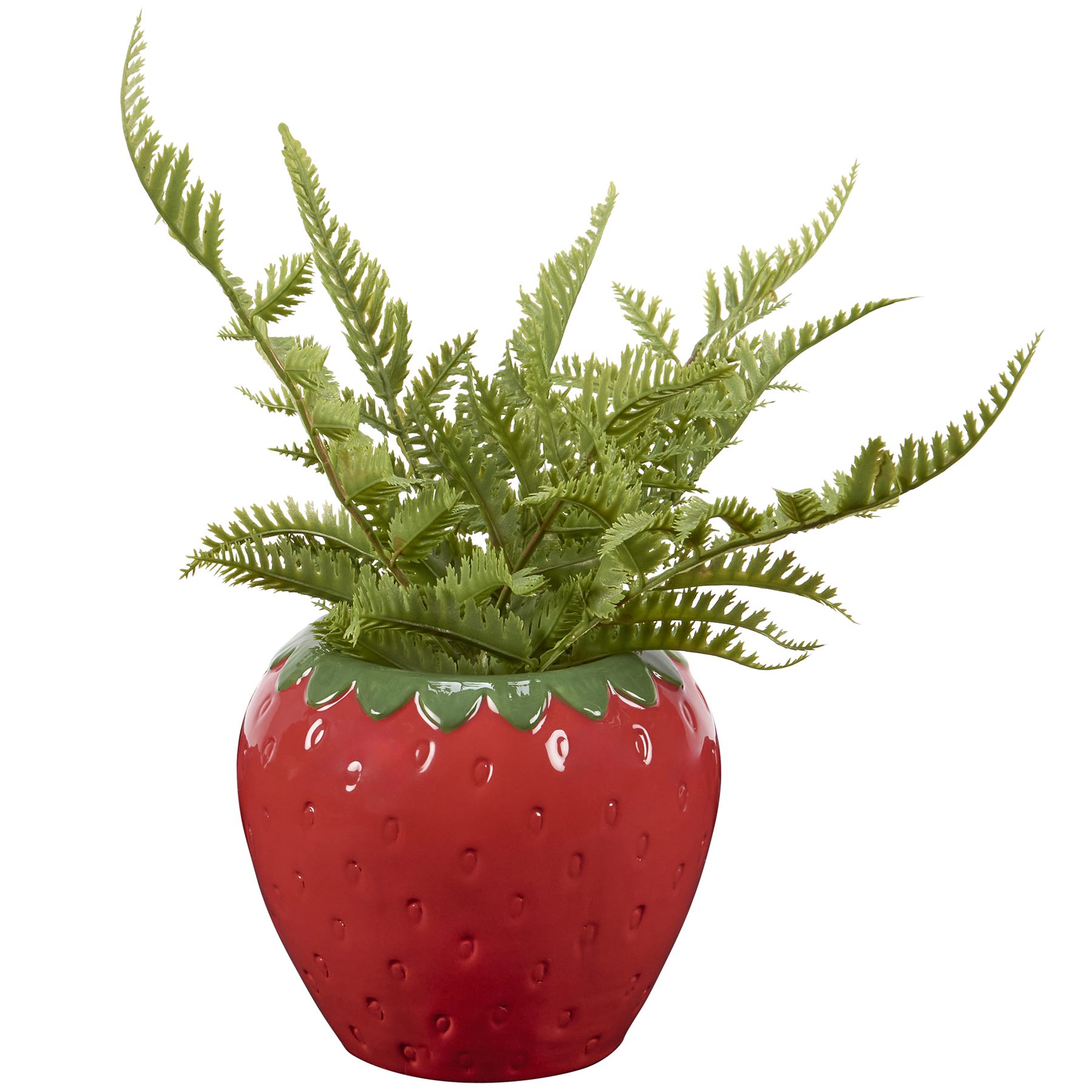
Base corner cracks
Large ceramic planters often fail first at the base edge when the inner support does not absorb side impact.
Packaging & Shipping Risk
For importers, ceramic damage is usually decided before the container leaves the factory: carton fit, foam protection, drop-test level, pallet loading and compression risk.
Upload carton specs or packaging requirements ->

Common Damage Problems
These are the packaging risks we review before mass production, especially for planters, bowls, candle holders, vases and mixed ceramic assortments.
Large ceramic planters often fail first at the base edge when the inner support does not absorb side impact.
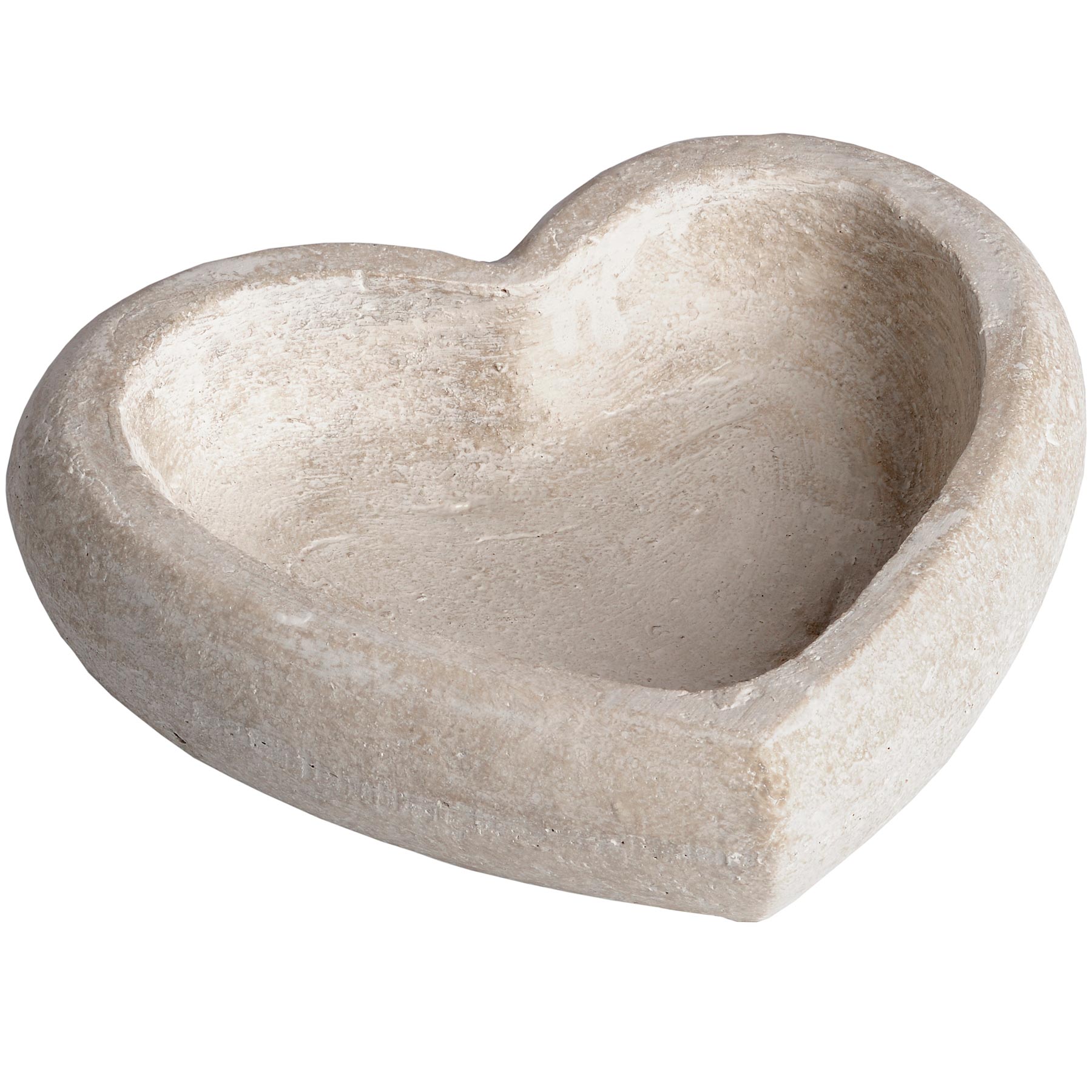
Matte glaze and raised details need separators, tighter nesting checks and surface-contact review.
Small movement inside the inner box can create repeated impact during warehouse handling and truck transfer.
Why It Breaks
Carton photos, foam layout, drop-test requirements, pallet height and product geometry all need to be reviewed together.
We review inner box, master carton, product position and whether the item can move after closing.
We check whether foam or paper protection supports the real stress points, not only the easy flat surfaces.
We check carton strength, loading direction, stacking height and whether mixed SKUs create uneven pressure.
How We Solve It
For fragile ceramic orders, the goal is to confirm protection before the packing line starts, not after breakage claims arrive.
Packaging Review
Send carton size, product dimensions, item weight, destination market or drop-test requirements. Our factory team will review the likely breakage risks and suggest practical packing options.
Send your shipping risk notes directly to our team for review.
Send your product details, carton notes or breakage concerns and our team will help review the practical next step.
Request Packaging Advice