
In this guide you will learn
- The differences between matte, glossy, reactive, crackle, speckled and hand-painted finishes.
- Why fired ceramic color cannot match Pantone in the same way as print or plastic.
- A glaze approval checklist for buyers before mass production.
Common glaze finishes
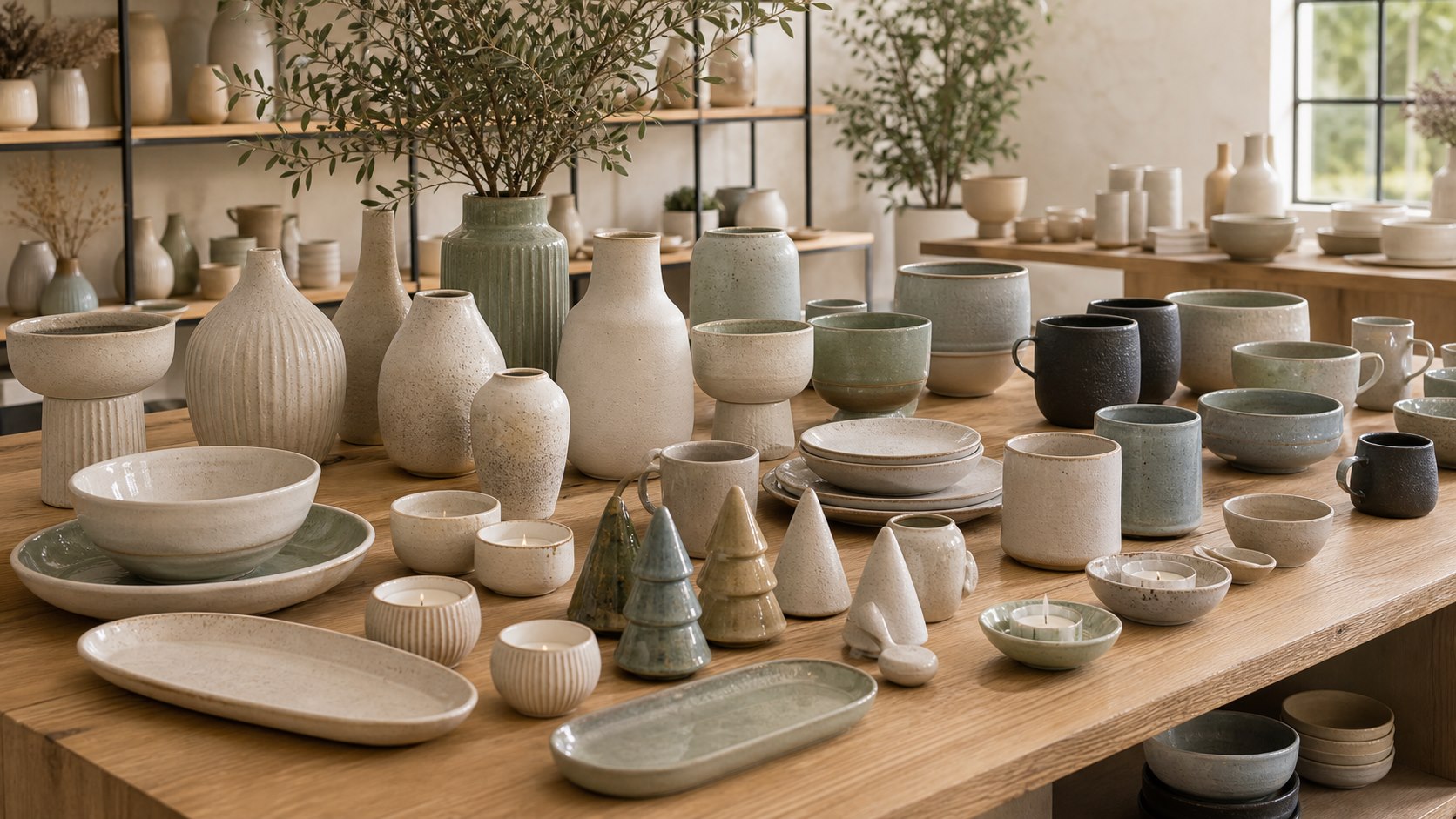
Matte glaze gives a soft, low-reflection surface. It is often used for modern vases, planters, candle holders and tableware with a calm look. Buyers should check whether the matte surface marks easily, whether it is suitable for food contact if used on tableware and whether the inside needs a different waterproof glaze. Matte glazes can show fingerprints, scratches or rubbing more clearly than glossy glazes, depending on the formula.
Glossy glaze has a brighter surface and is easier to wipe clean. It is common for mugs, bowls, decorative figurines, planters and many retail decor items. Gloss can make colors appear stronger, but it can also highlight uneven surfaces, pinholes or dust. Buyers should check reflection, glaze coverage near rims and whether the glaze pools too heavily at the base.
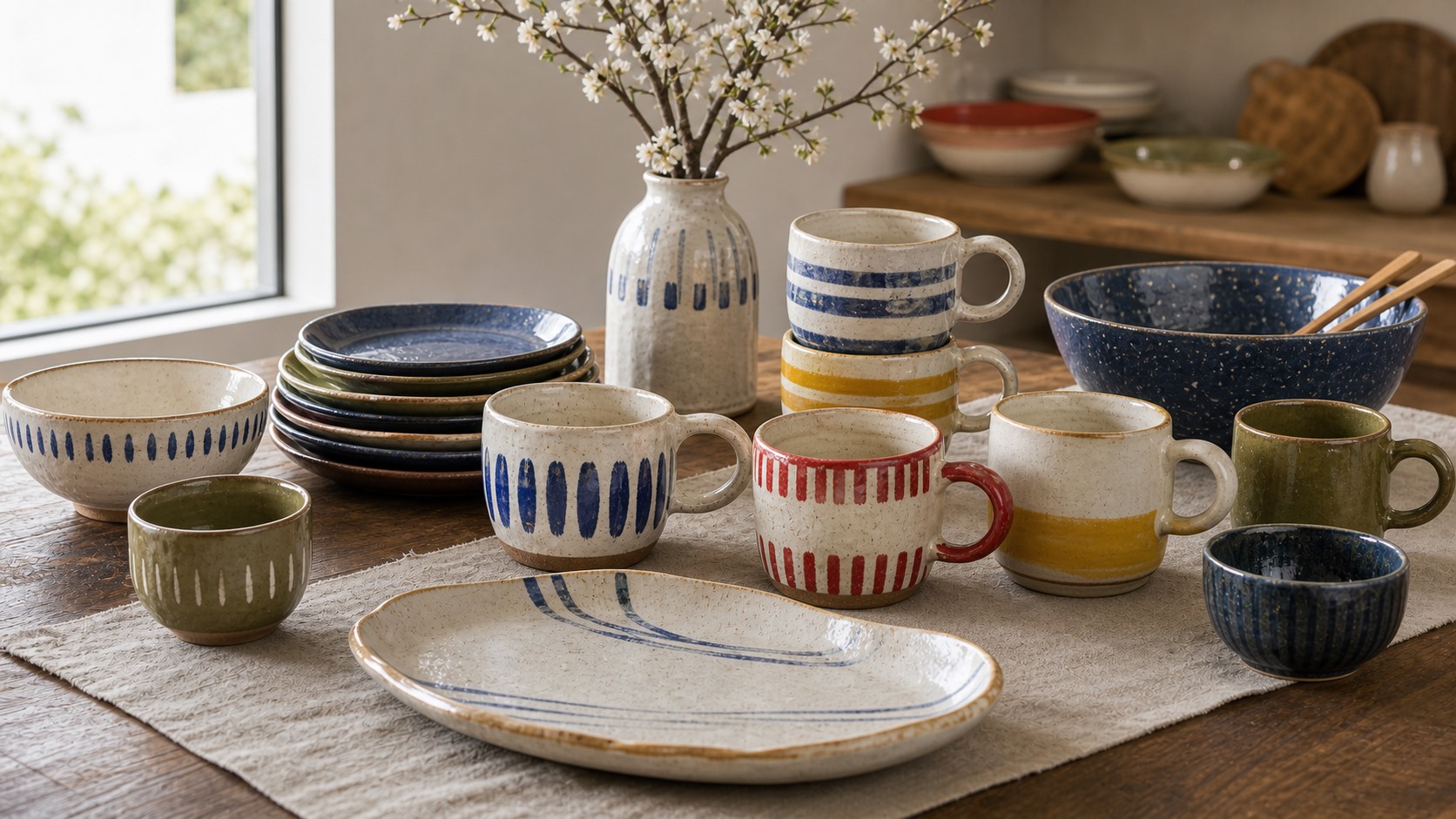
Reactive glaze changes in the kiln and creates natural movement, color variation and layered effects. It can make tableware, vases and planters look more individual, but it also requires realistic approval. A buyer should not approve one perfect piece and expect every unit to match exactly. Crackle glaze creates intentional fine cracks in the glaze surface. It is attractive for decorative items, but buyers should discuss whether it is appropriate for water-holding items or food-contact products. Speckled glaze includes small spots in the finish and can hide minor variation well. Hand-painted finish adds manual character but needs clear artwork placement and acceptable variation standards.
Why Pantone cannot fully control glaze
Pantone references are useful for direction, but they do not control ceramic glaze the way they control printing ink. Ceramic color is created by minerals, glaze chemistry, clay body color, glaze thickness, firing temperature and kiln atmosphere. A Pantone chip is flat and printed. A fired glaze is a layer of glass-like material on a three-dimensional ceramic body. Light passes through or reflects from that layer differently.
Buyers should use Pantone as a starting reference, then approve fired ceramic samples. If the color must be close to a brand standard, provide the target reference and ask the supplier what level of closeness is realistic for the chosen material and finish. For very strict brand colors, a stable solid glaze may be more practical than a reactive glaze.
How to approve color samples
For variable finishes, ask for more than one sample piece. A single reactive glaze sample may not show the full range. Request target samples and limit samples when possible. The target sample shows the preferred look. Limit samples show the lightest, darkest or most active acceptable result. This gives production and inspection teams a practical standard.
| Finish | Best used for | Approval focus |
|---|---|---|
| Matte glaze | Modern vases, planters, candle holders, simple tableware. | Surface marks, color evenness, waterproof inside if needed. |
| Glossy glaze | Mugs, bowls, planters, figurines, decorative items. | Pinholes, dust, pooling, rim coverage, cleanability. |
| Reactive glaze | Tableware, vases, statement planters. | Acceptable color range, movement, pooling, repeatability. |
| Crackle glaze | Decorative vases, ornaments, non-food decor. | Crackle density, staining risk, water-use suitability. |
| Speckled glaze | Planters, mugs, bowls, casual home decor. | Speckle size, density, background color and consistency. |
| Hand-painted finish | Seasonal decor, character items, artisan-look collections. | Placement, brush variation, color range, labor time. |
Choosing finishes by product type
Vases can use matte, reactive, crackle, speckled or hand-finished surfaces, but the inside should be considered if the vase is expected to hold water. A decorative vase that is not waterproof should be described clearly to avoid customer complaints. Planters need attention to drainage holes, saucers, inside glaze and outdoor exposure if they will be used outside. A beautiful crackle or low-fire decorative finish may not be right for wet soil or freeze-thaw conditions.
Tableware needs more caution. Food-contact surfaces should be discussed early, and the buyer should confirm testing requirements for the target market. Some decorative glazes are not suitable for food-contact areas. Reactive tableware can be attractive, but buyers should approve a range and confirm that the eating surface is smooth enough for use. Candle holders need glaze and body choices that tolerate heat from the intended candle type. Decorative figurines can accept more hand-painted variation if the retail positioning supports that look.
Glaze approval checklist
- Approve fired ceramic samples, not only Pantone chips or digital images.
- Check samples under consistent light and keep the approved sample sealed.
- For variable glaze, approve target and limit samples.
- Confirm inside glaze requirements for vases, planters, mugs and bowls.
- Check rim, foot ring, base pooling, pinholes, crawling and rough edges.
- Confirm whether color variation is acceptable across one carton and across the full order.
- Separate decorative finish approval from food-contact or water-use requirements.
- Record any unacceptable defects in writing before production starts.
Practical Buyer Takeaway
Glaze approval should define a real production range, not a single ideal photo. Use Pantone for direction, then approve fired samples. Match the finish to the product use, target market and acceptable variation. For reactive, crackle, speckled or hand-painted finishes, agree on limits before mass production.
If you are choosing ceramic glaze colors, send us the product use, reference images and target market so we can review which finish is practical for sampling and production.
Connect this guide to your product plan
Use these links to move from buyer guidance into product review, MOQ planning and a practical Xiamen Youli quotation.
Export Support
Use these support paths when you are ready to turn the guide into a quotation, sample brief, packaging review or shipment check.
Related Buyer Guides
How to Request an Accurate Ceramic Quotation
Learn what details buyers should prepare before requesting a ceramic quotation, including size, finish, quantity, packaging and target market.
Why Ceramic Prices Change: A Buyer's Guide
Understand how size, glaze, firing risk, handwork, packaging and order quantity affect ceramic product pricing.
MOQ Planning for Ceramic Importers
Plan ceramic MOQ more safely by reducing color complexity, controlling SKU count and starting with practical test orders.