
In this guide you will learn
- The typical OEM and ODM sample path for ceramic products.
- Why shape, glaze and firing conditions affect sample time.
- A sample development brief template buyers can use.
From reference image to technical brief
A ceramic sample starts with a clear brief. Reference photos are helpful, but they are not enough by themselves. The supplier needs to know the required size, use, material preference, surface finish, color direction, packaging plan and target price. If the reference image is only for mood, say so. If the exact shape must be copied from the buyer's own design, provide drawings or measurements and confirm that the design rights belong to the buyer.
For OEM and ODM development, separate fixed details from flexible details. A buyer may need a specific opening size for a planter, a certain capacity for a mug or a particular height for a vase. Other details, such as wall thickness, foot ring, glaze tone or surface texture, may be adjustable to improve production stability. Clear flexibility helps the supplier suggest practical changes before mold work begins.
Mold, clay sample and glaze sample
After the brief is reviewed, the supplier checks whether an existing mold can be used or whether a new mold is required. Existing molds are faster and lower risk. New molds take longer because the shape must be translated into a production tool. The mold has to consider shrinkage, release, wall thickness, stability and finishing areas. A shape that looks simple in a sketch may become difficult if it has undercuts, thin handles, sharp corners or uneven thickness.
A clay sample or white body sample is used to confirm shape before final glaze. This stage helps the buyer check proportion, size, opening, base stability, surface texture and overall feeling. It is better to correct shape problems before glaze testing because glaze can hide some form issues and create new ones. Once the shape is approved, glaze samples can be developed on the same or similar body.
Glaze samples show color, gloss level, texture and surface effect. For matte, glossy or solid-color glazes, the target may be relatively controlled. For reactive, crackle, speckled or layered glazes, the buyer should approve a range, not a single perfect point. The final approved production sample, often called a sealed sample, should represent the agreed shape, finish and acceptable variation range.
| Sampling stage | Buyer should confirm | Common decision |
|---|---|---|
| Reference review | Use, size, material, finish, target price. | Use existing mold or develop new shape. |
| Technical check | Wall thickness, stability, opening, attachments. | Simplify or adjust risky details. |
| Mold stage | Shape feasibility and shrinkage allowance. | Approve mold direction before clay sample. |
| Clay sample | Shape, dimension, weight, balance, surface. | Approve shape or request modification. |
| Glaze sample | Color, gloss, texture, inside finish, variation. | Approve target and limit samples. |
| Sealed sample | Final appearance and tolerance standard. | Use as production reference. |
Why sampling time changes
Sampling time depends on shape complexity, mold status, drying time, glaze development and firing schedule. Ceramics cannot be rushed in the same way as some plastic or metal parts. Clay needs controlled drying. A large or thick item dries more slowly than a small item. Uneven drying can cause cracks or warping. If a sample cracks during the first trial, the supplier may need to adjust wall thickness, drying method or forming process.
Glaze development can also extend the schedule. A Pantone color or digital color reference does not translate directly into fired glaze. The clay body color, glaze formula, firing temperature, kiln atmosphere and glaze thickness all affect the result. A reactive glaze may need several trials before the buyer and supplier agree on an acceptable range. Hand-painted or decal items may need artwork alignment and firing tests.
Acceptable ceramic variation
Ceramic products are shaped, dried, fired and finished through processes that include natural variation. They cannot be expected to behave like injection-molded plastic parts. Slight size tolerance, small color movement, minor glaze flow, natural speckling and hand-finished differences may be acceptable depending on the product and finish. The buyer and supplier should agree which differences are part of the intended ceramic character and which are defects.
For example, a handmade-look vase may allow slight surface unevenness but should still stand stable. A reactive glaze bowl may allow color movement but should not have sharp glaze edges, cracks or food-contact concerns. A planter may allow slight color variation but should have a functional drainage hole and stable base. A mug may have small handwork differences but the handle joint must be strong and comfortable.
Sample development brief template
- Product type and use: [decorative vase, planter, mug, candle holder, tableware]
- Reference images: [attach and mark fixed details]
- Target dimensions: [height, width, opening, capacity, wall thickness if relevant]
- Material preference: [stoneware, porcelain, earthenware, supplier suggestion]
- Finish direction: [matte, glossy, reactive, crackle, speckled, hand-painted]
- Functional requirements: [waterproof inside, drainage hole, food contact, candle heat, outdoor use]
- Packaging expectation: [inner box, color box, insert, carton]
- Target quantity and target price: [first order and expected reorder]
- Feedback rules: [what must match, what can be adjusted]
Practical Buyer Takeaway
Good ceramic sampling depends on a clear brief, realistic tolerance and organized feedback. Approve shape before glaze. Approve glaze as a range when the finish naturally varies. Use a sealed sample and limit samples to guide production. When timing matters, reduce complexity before sampling starts.
If you are developing a ceramic OEM or ODM item, send reference images, target size, finish direction and expected quantity so we can review the sample path before mold work begins.
Connect this guide to your product plan
Use these links to move from buyer guidance into product review, MOQ planning and a practical Xiamen Youli quotation.
Export Support
Use these support paths when you are ready to turn the guide into a quotation, sample brief, packaging review or shipment check.
Related Buyer Guides
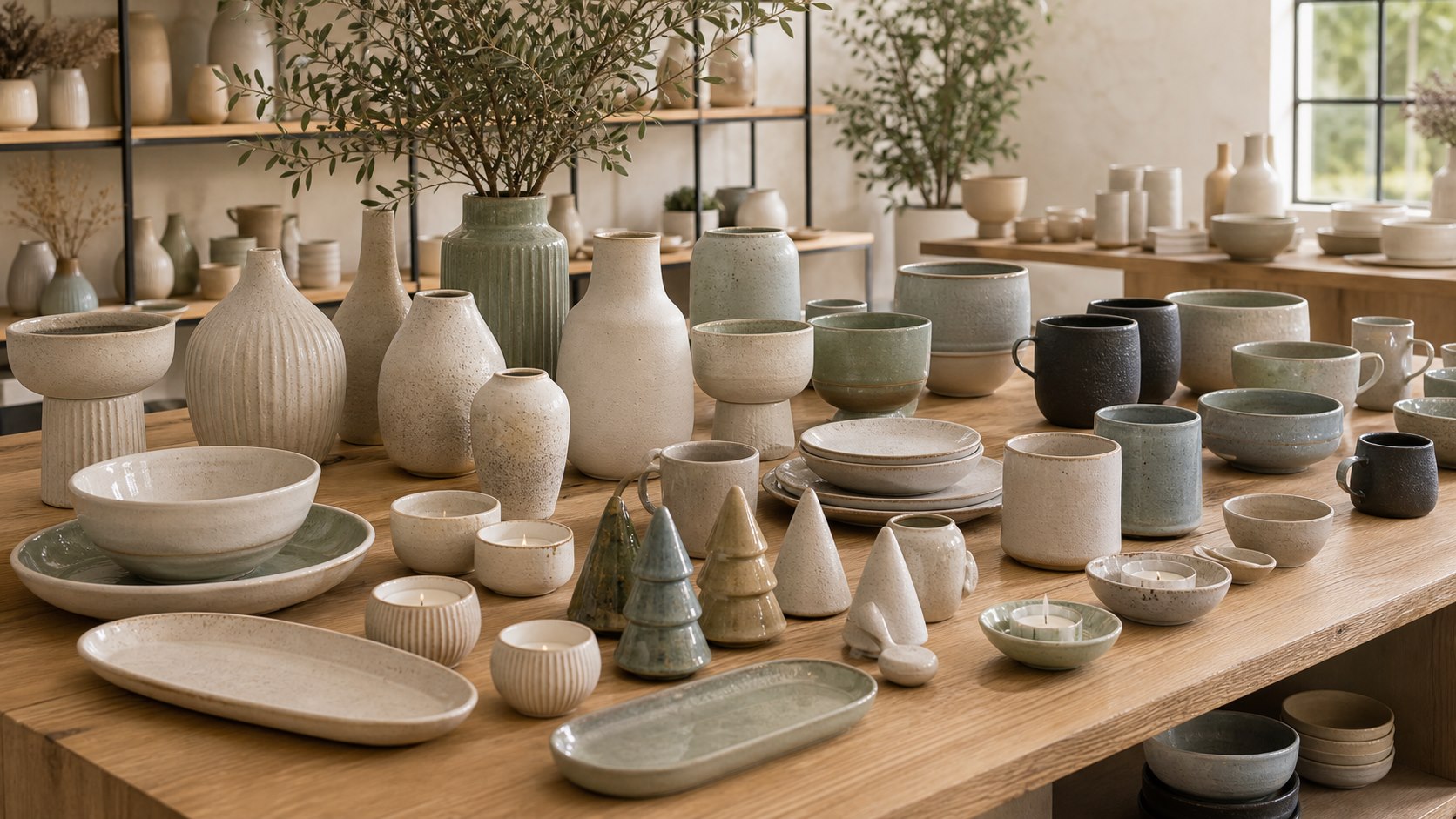
How to Request an Accurate Ceramic Quotation
Learn what details buyers should prepare before requesting a ceramic quotation, including size, finish, quantity, packaging and target market.
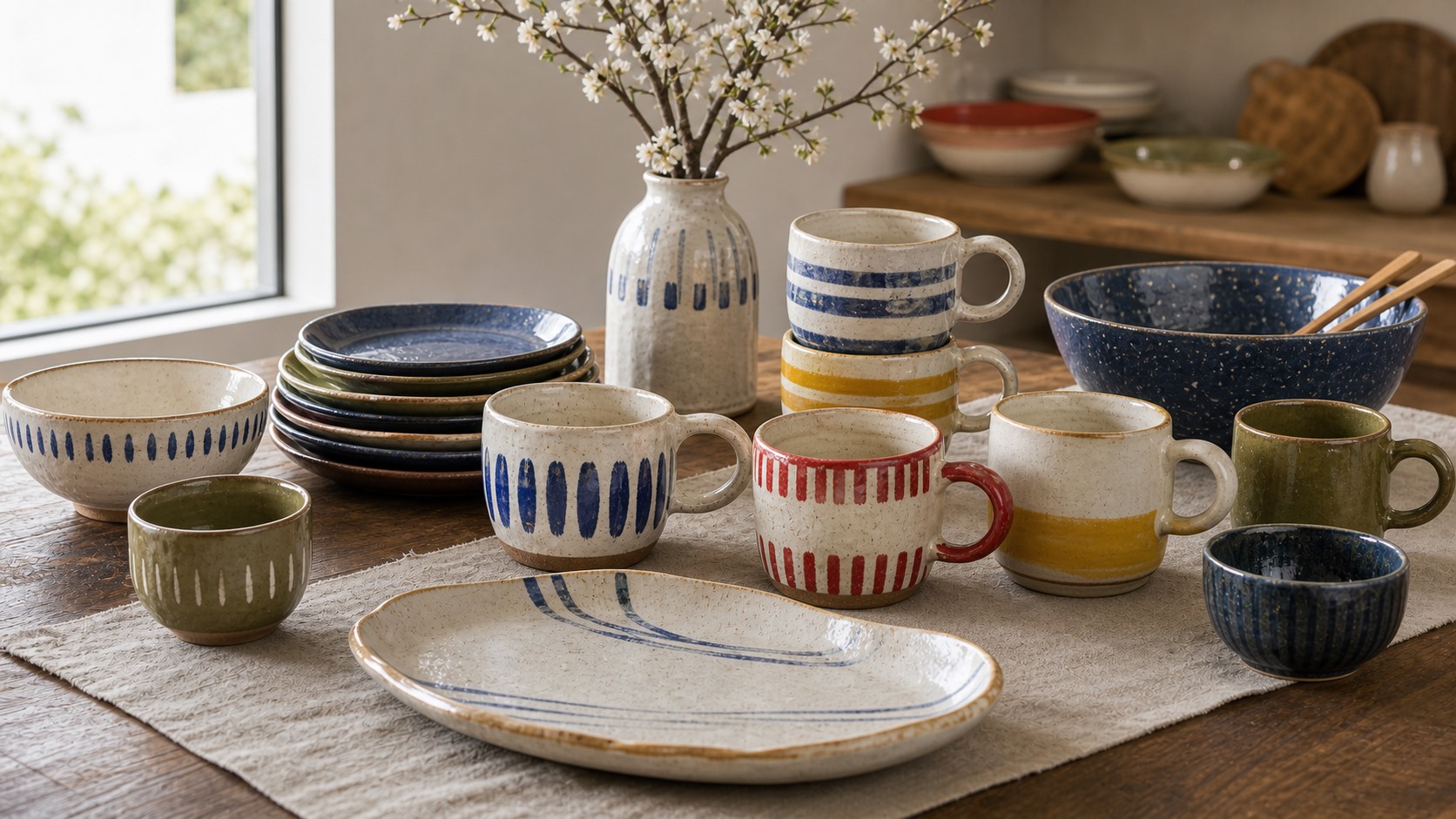
Why Ceramic Prices Change: A Buyer's Guide
Understand how size, glaze, firing risk, handwork, packaging and order quantity affect ceramic product pricing.
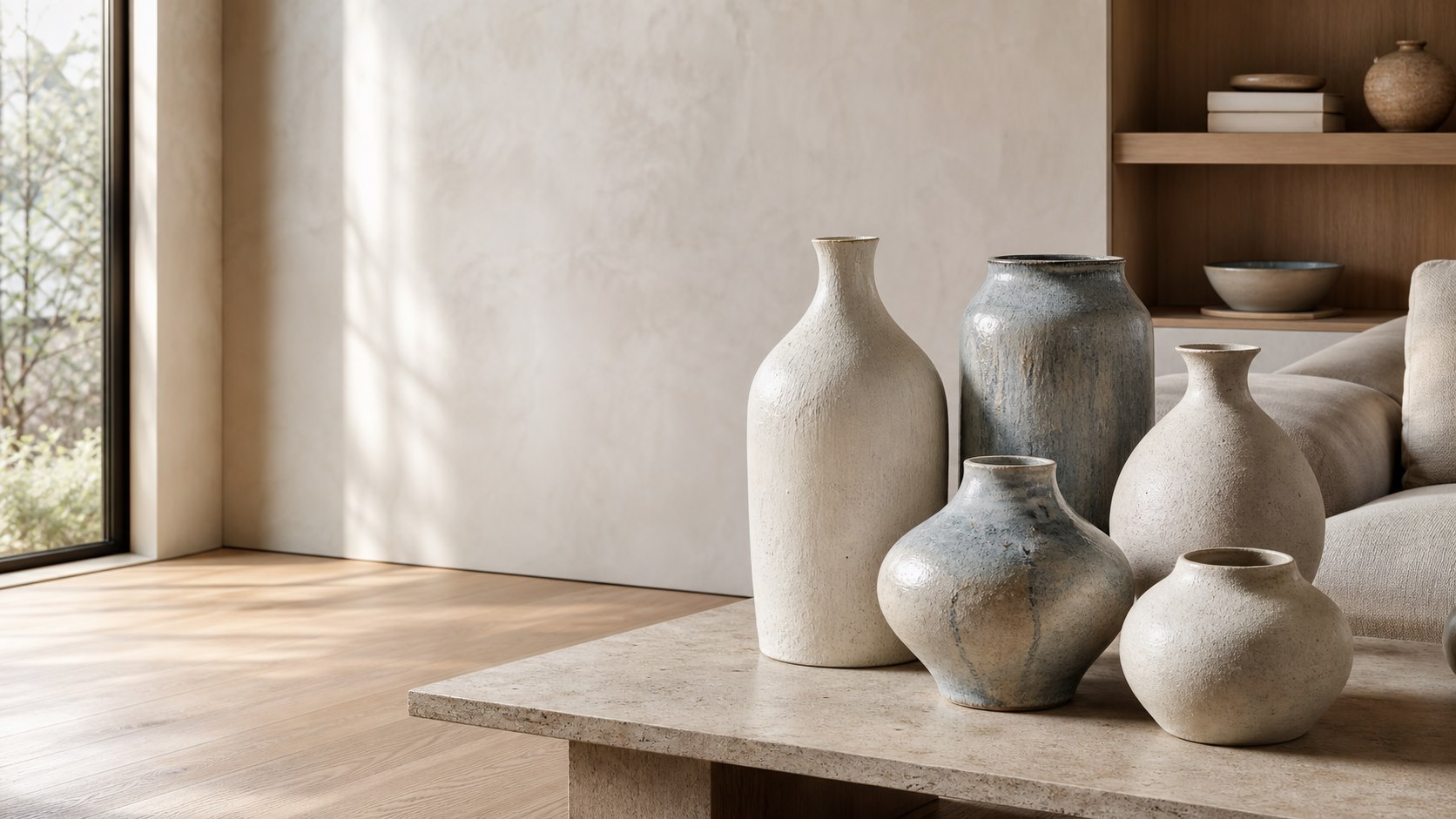
MOQ Planning for Ceramic Importers
Plan ceramic MOQ more safely by reducing color complexity, controlling SKU count and starting with practical test orders.