
In this guide you will learn
- Why shape, size, glaze and firing risk change unit price.
- How order quantity spreads mold, setup and production preparation cost.
- A pricing factor table buyers can use when comparing supplier quotes.
Why similar ceramics quote differently
Two ceramic vases may look almost the same in a catalog image, but the production cost can be very different. One may have a simple round body that releases easily from the mold. The other may have a narrow neck, uneven wall thickness, a raised texture or a foot ring that needs hand finishing. One may use a stable glossy glaze. The other may use a reactive glaze where color movement depends on kiln position and firing atmosphere. A buyer who compares only the final photo may miss the hidden production work.
Size is the first driver. Larger items use more clay, occupy more kiln space, need longer drying control and require stronger packaging. Tall narrow items may need more support during firing and shipping. Wide flat plates can warp if the body, drying and firing are not controlled carefully. Products with handles, spouts, lids, relief details, cutouts or attached decorations add handwork and raise the risk of cracks at joints.
Pricing factors buyers should compare
When quotations differ, ask suppliers which assumptions they used. Did they quote the same material, size, glaze, packaging, logo method and inspection standard? Did they include mold cost? Did they assume individual boxes or bulk packing? Did they quote a trial order quantity or a full production quantity? A low price without clear assumptions can become expensive later when packaging, labels, color approval or rework is added.
| Pricing factor | How it affects cost | Buyer question to ask |
|---|---|---|
| Size and weight | More clay, kiln space, drying time, carton volume and freight. | Can the size be reduced without changing the retail function? |
| Shape complexity | More mold work, trimming, joint risk and hand finishing. | Which details create extra handwork or reject risk? |
| Clay body | Different firing temperature, strength, color base and shrinkage. | Which material is practical for this use and price point? |
| Glaze type | Stable glazes are easier; reactive, crackle or layered glazes need more control. | Is this glaze stable enough for the target order quantity? |
| Firing risk | Warping, pinholes, crawling, color variation and cracking can increase loss. | What defects are most likely on this item? |
| Handwork | Painting, sponging, distressing, decal alignment or attachments add labor. | Can the same look be achieved with fewer manual steps? |
| Mold or tooling | New shapes require development cost and time before production. | Is there an existing mold close to this design? |
| Packaging | Inner boxes, inserts, cartons, labels and pallets change unit cost. | What packaging assumption is included in this quote? |
| Order quantity | Setup costs are divided across more or fewer units. | At what quantity does the price become more efficient? |
Why small orders cost more
Small ceramic orders are expensive because the preparation work does not shrink in the same proportion as the order quantity. The factory still needs to prepare clay, glaze, molds, workers, kiln schedules, packaging materials, quality checks and export documents. If a buyer orders 300 pieces across six colors, the supplier may need six glaze preparations and several production separations for a very small output. That creates higher cost per unit and more management work.
Small orders also reduce the factory's ability to balance natural variation. In a larger order, slight color differences can be sorted and allocated more flexibly. In a small order, every rejected or borderline piece has a stronger impact on the final quantity. For reactive glaze, hand-painted finish, crackle glaze or complex shapes, a very small order may not give enough production buffer.
If the commercial goal is a trial order, buyers can control cost by simplifying the first order. Use fewer shapes, fewer colorways, shared packaging and an existing mold if possible. Keep custom artwork and special labels for the items most likely to continue. The first order should test market response and supplier coordination, not carry every idea in the collection.
Packaging, loss and rework
Ceramic pricing must allow for real production loss. Loss can come from forming defects, drying cracks, glaze defects, firing deformation, color mismatch, pinholes, surface contamination, handling damage or final inspection rejection. Some loss is normal in ceramics. The question is whether the product design and finish create a reasonable level of risk for the target price.
Rework is not always possible. A rough foot ring can sometimes be smoothed. A label can be replaced. But a fired glaze defect, body crack or warped shape usually cannot be repaired into first-quality goods. That is why stable design, clear approval samples and realistic tolerance standards matter. If the buyer requires a very tight color range on a variable glaze, the supplier may need to allow for more sorting and rejection.
Practical Buyer Takeaway
When ceramic prices change, look first at the quote assumptions. Confirm size, material, shape complexity, glaze, handwork, packaging and quantity. If a quote is higher than expected, ask what part of the product is driving cost and which change would reduce risk without damaging the retail value. Good cost control usually comes from practical design decisions, not pressure on the supplier to ignore production realities.
If you are comparing ceramic quotations, send us the reference image, target quantity, packaging method and any competing assumptions you want checked.
Connect this guide to your product plan
Use these links to move from buyer guidance into product review, MOQ planning and a practical Xiamen Youli quotation.
Export Support
Use these support paths when you are ready to turn the guide into a quotation, sample brief, packaging review or shipment check.
Related Buyer Guides
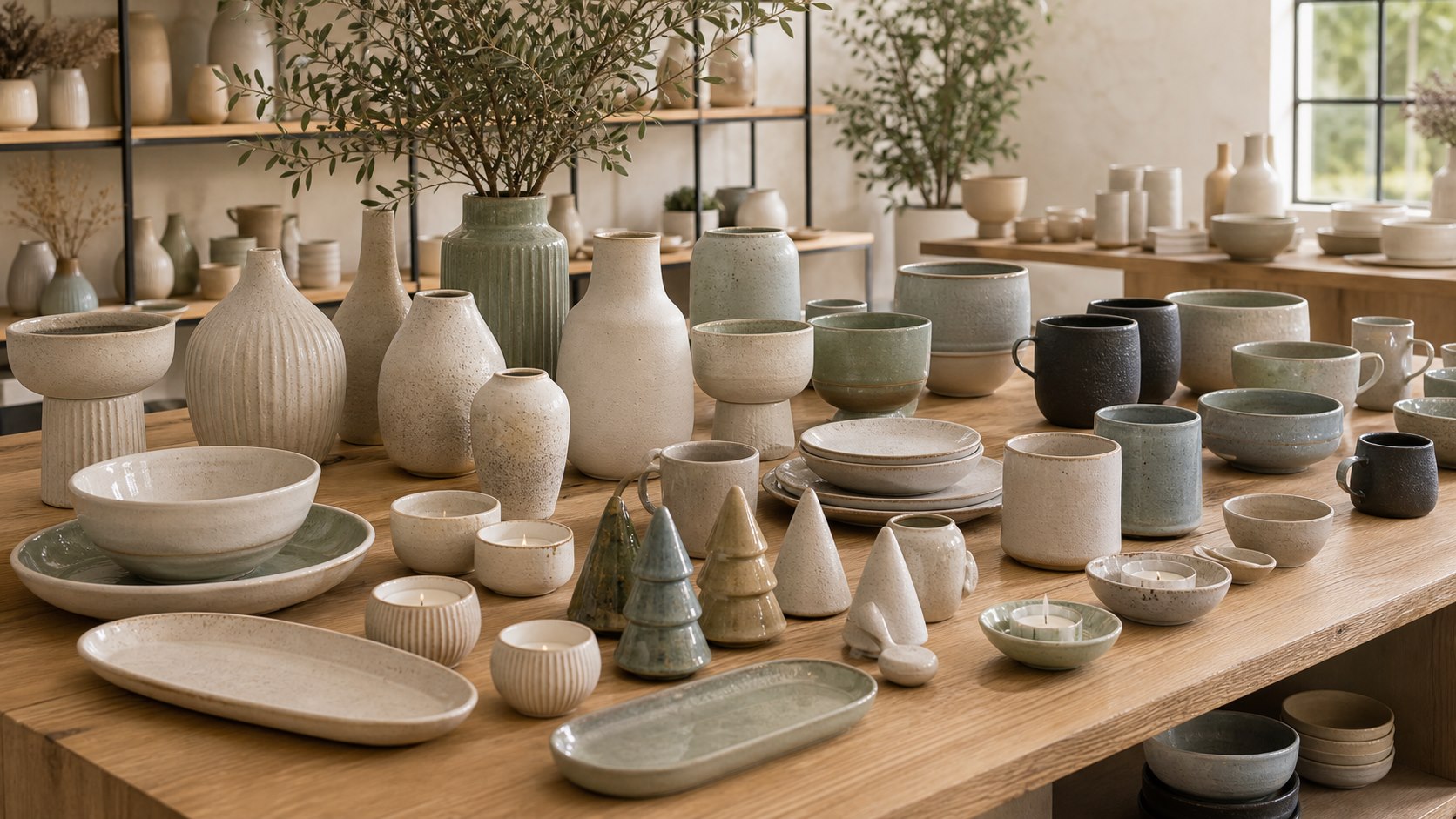
How to Request an Accurate Ceramic Quotation
Learn what details buyers should prepare before requesting a ceramic quotation, including size, finish, quantity, packaging and target market.
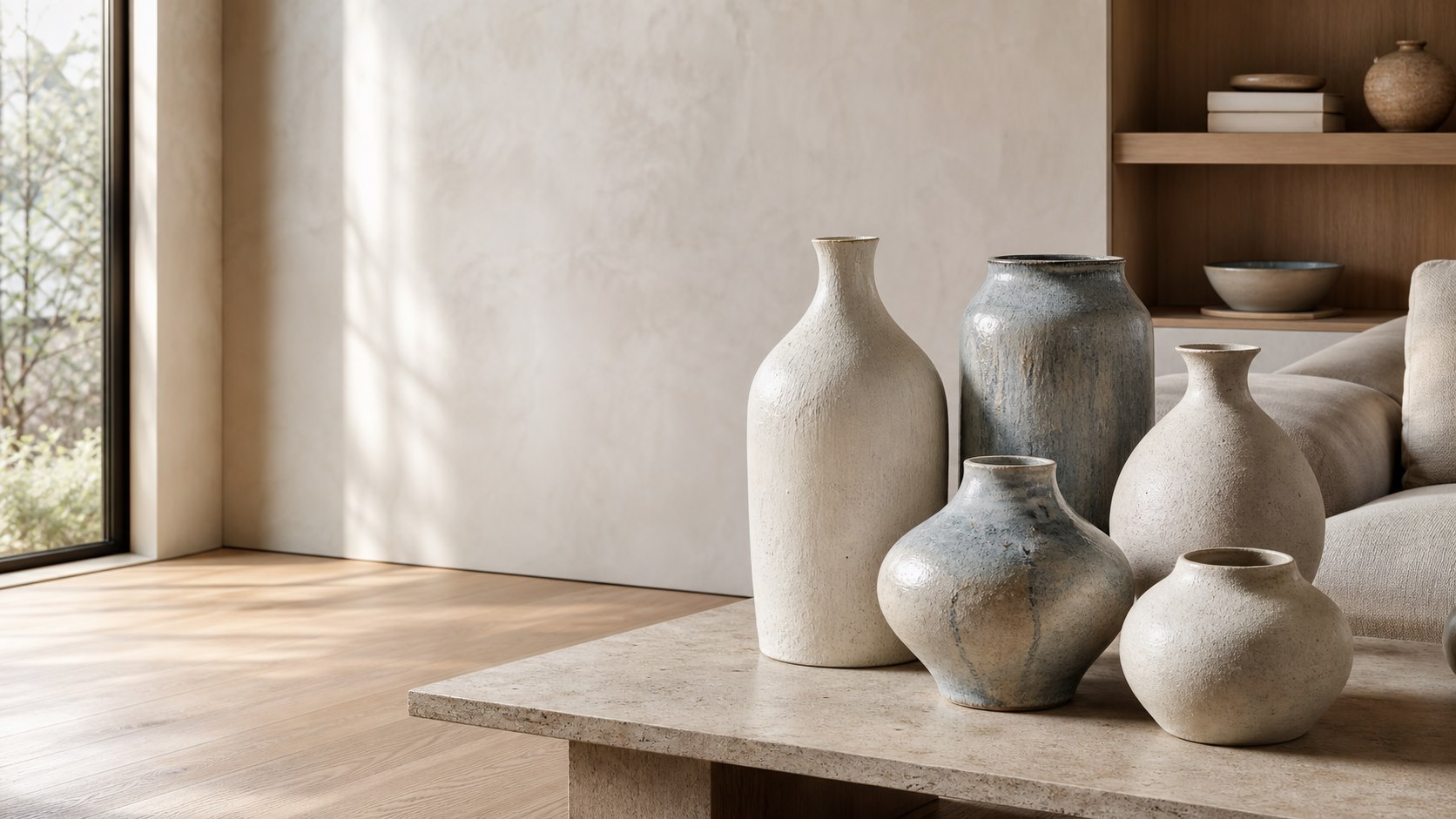
MOQ Planning for Ceramic Importers
Plan ceramic MOQ more safely by reducing color complexity, controlling SKU count and starting with practical test orders.
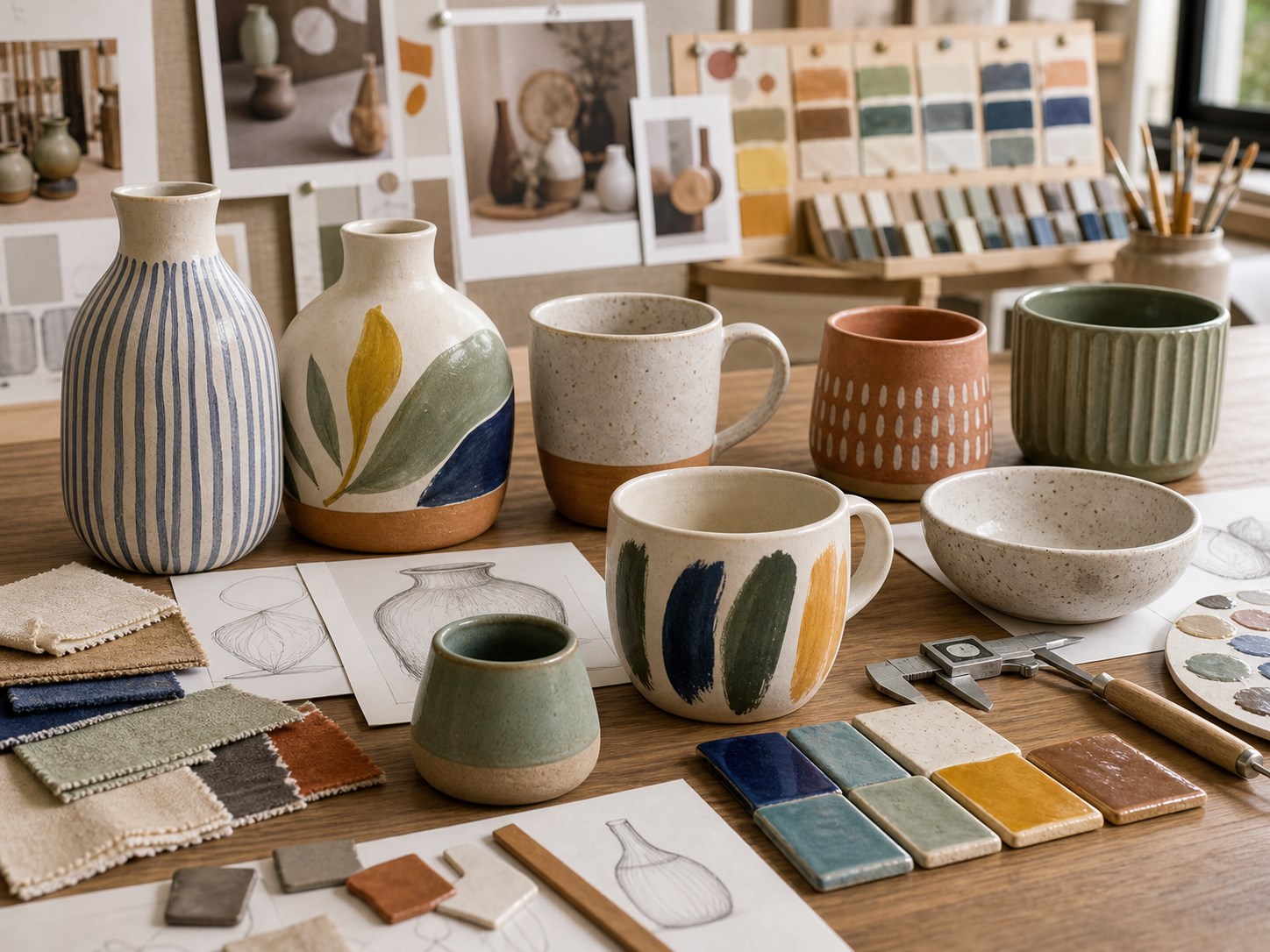
Ceramic Sampling Process for Buyers
See how ceramic OEM/ODM samples move from reference photo to mold, clay sample, glaze sample and approved production sample.