
In this guide you will learn
- Why molds, colors, firing and packaging influence ceramic MOQ.
- How to reduce MOQ pressure with fewer SKUs, fewer colors and shared packaging.
- A checklist for planning a practical trial order.
Why ceramic MOQ exists
Ceramic MOQ is usually connected to production setup, not only to the supplier's preference. A factory has to prepare clay, molds, glaze, workers, kiln loading, quality checks and packaging materials. If the order is too small, each unit carries too much preparation cost. If the order has many colors or shapes, the setup work multiplies even when the total quantity looks acceptable.
Molds are one reason. Existing molds can support lower quantities because the tooling work has already been done. New molds require design checking, mold making, drying, trial forming and adjustment. If the shape is large, textured, narrow, hollow, asymmetrical or includes handles and attachments, the mold and forming process become more sensitive. A new mold for a very small order may not be sensible unless the buyer expects repeat business.
Glaze is another reason. A single color across several shapes is easier to schedule than six colors across two shapes. Reactive glaze, crackle glaze, speckled glaze and layered effects may need more test pieces and sorting. Even a simple matte glaze requires preparation and cleaning between colors. If each SKU has a different glaze, the factory may need separate production and inspection handling for each small batch.
How new buyers can reduce first-order risk
New buyers often try to reduce risk by ordering very small quantities of many items. In ceramics, that can create the opposite result. The order becomes harder to quote, harder to produce, harder to inspect and harder to ship. A safer approach is to reduce complexity before reducing quantity. Choose a focused group of items and make the order easy to execute.
Start with core shapes. For example, a vase range might use three shapes in two sizes rather than eight unrelated forms. A planter range might use one body shape in two sizes with shared saucers. A tableware test might focus on bowls and mugs before adding plates, serving pieces and accessories. This gives the buyer enough product variety to test the market while keeping factory setup under control.
Limit colors. One strong glaze direction across several SKUs usually performs better than many small color experiments. If color testing is necessary, use one or two accent colors, not a full palette. Shared packaging also helps. A common inner box size, common carton mark format and standard barcode placement reduce material setup and artwork risk. If retail packaging is not essential for the first order, start with export-safe plain packaging and upgrade later for confirmed winners.
Designing a practical trial order
A trial order should answer a specific business question. Are customers responding to the shape? Is the glaze acceptable? Does the price point work? Can the product ship without breakage? Can the supplier coordinate samples, packaging and production communication smoothly? A trial order that tries to test too many shapes, colors and packaging styles at once gives unclear answers.
| MOQ planning decision | Lower-risk choice | Higher-risk choice |
|---|---|---|
| Shape count | 2 to 4 core shapes with clear roles. | Many unrelated shapes in tiny quantities. |
| Color plan | One main glaze plus one optional accent. | Different glaze for every SKU. |
| Mold strategy | Use existing mold or adjust a close shape. | New mold for every first-order item. |
| Packaging | Shared export packaging and common label format. | Unique printed box for each small SKU. |
| SKU structure | Good, better, best price ladder or clear size ladder. | SKUs that compete with each other at the same price. |
| Reorder plan | Agree which items may repeat and at what quantity. | No reorder signal, only one-time sampling purchase. |
Which products fit low MOQ
Low MOQ is more realistic for existing molds, stable glazes, smaller items, simple shapes and products that can share packaging. Decorative vases, simple planters, small candle holders, basic mugs and existing tableware shapes may be possible at lower trial quantities if the finish is not complicated. Items that already have a tested production process are easier for the supplier to schedule.
MOQ planning checklist
- Define the purpose of the first order: market test, buyer presentation, retail launch or replenishment.
- List core SKUs and remove items that do not support the first launch story.
- Limit colorways and use one shared finish direction where possible.
- Ask which existing molds can reduce tooling cost and development time.
- Use shared packaging sizes, labels and carton mark rules when possible.
- Separate experimental items from volume-driving items.
- Confirm whether the quoted MOQ is per item, per color, per shape or per order.
- Ask for reorder pricing at the next quantity level if the first order sells well.
Practical Buyer Takeaway
The safest way to reduce MOQ pressure is to reduce complexity first. Fewer shapes, fewer glazes, shared packaging and a clear trial-order purpose make the supplier's job easier and the buyer's result easier to read. A small but focused order is usually more useful than a scattered order with too many tiny SKUs.
If you are planning a first ceramic order, send us your target SKU list, preferred colors, quantity range and packaging idea so we can suggest a practical MOQ path.
Connect this guide to your product plan
Use these links to move from buyer guidance into product review, MOQ planning and a practical Xiamen Youli quotation.
Export Support
Use these support paths when you are ready to turn the guide into a quotation, sample brief, packaging review or shipment check.
Related Buyer Guides
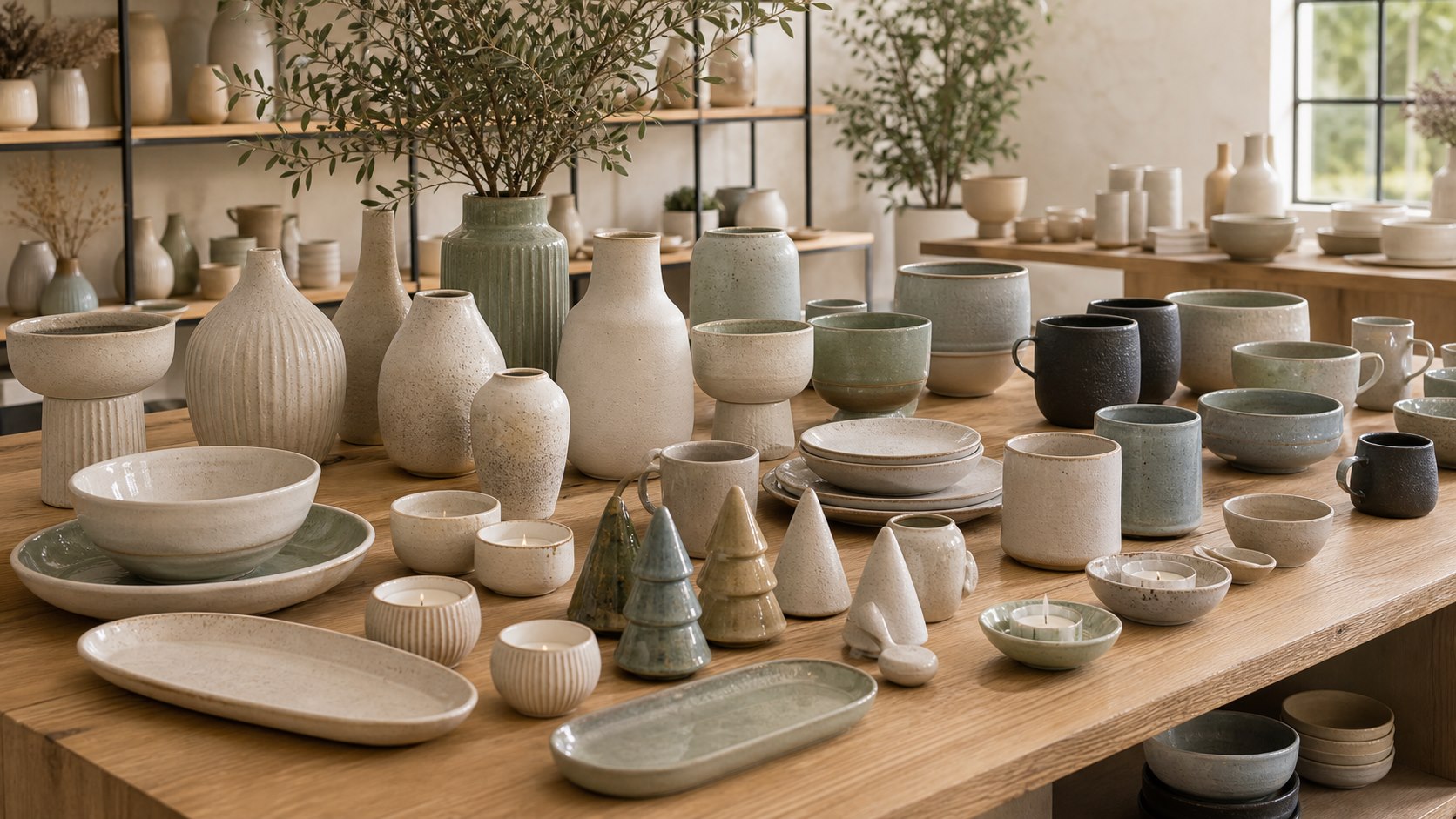
How to Request an Accurate Ceramic Quotation
Learn what details buyers should prepare before requesting a ceramic quotation, including size, finish, quantity, packaging and target market.
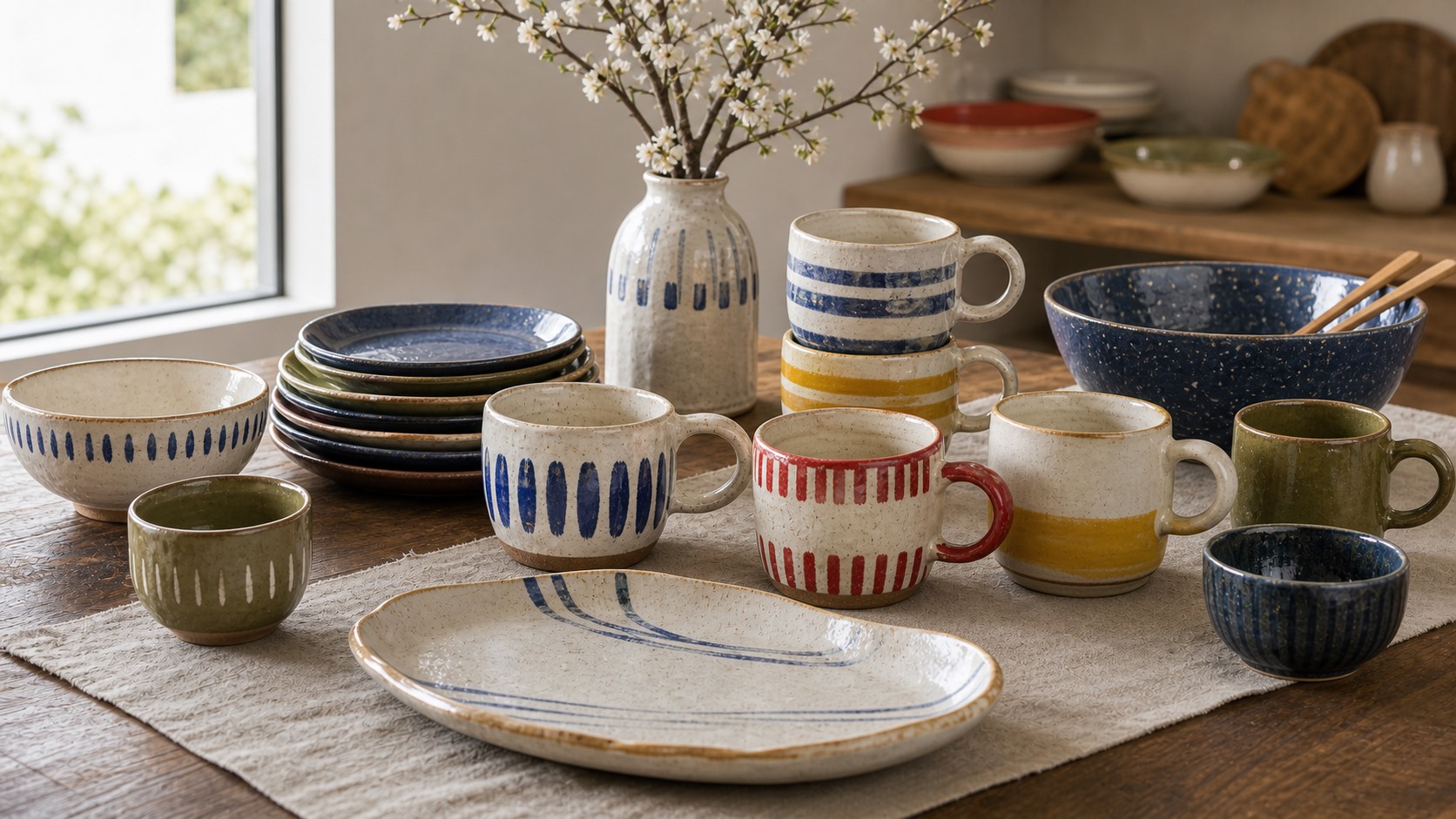
Why Ceramic Prices Change: A Buyer's Guide
Understand how size, glaze, firing risk, handwork, packaging and order quantity affect ceramic product pricing.
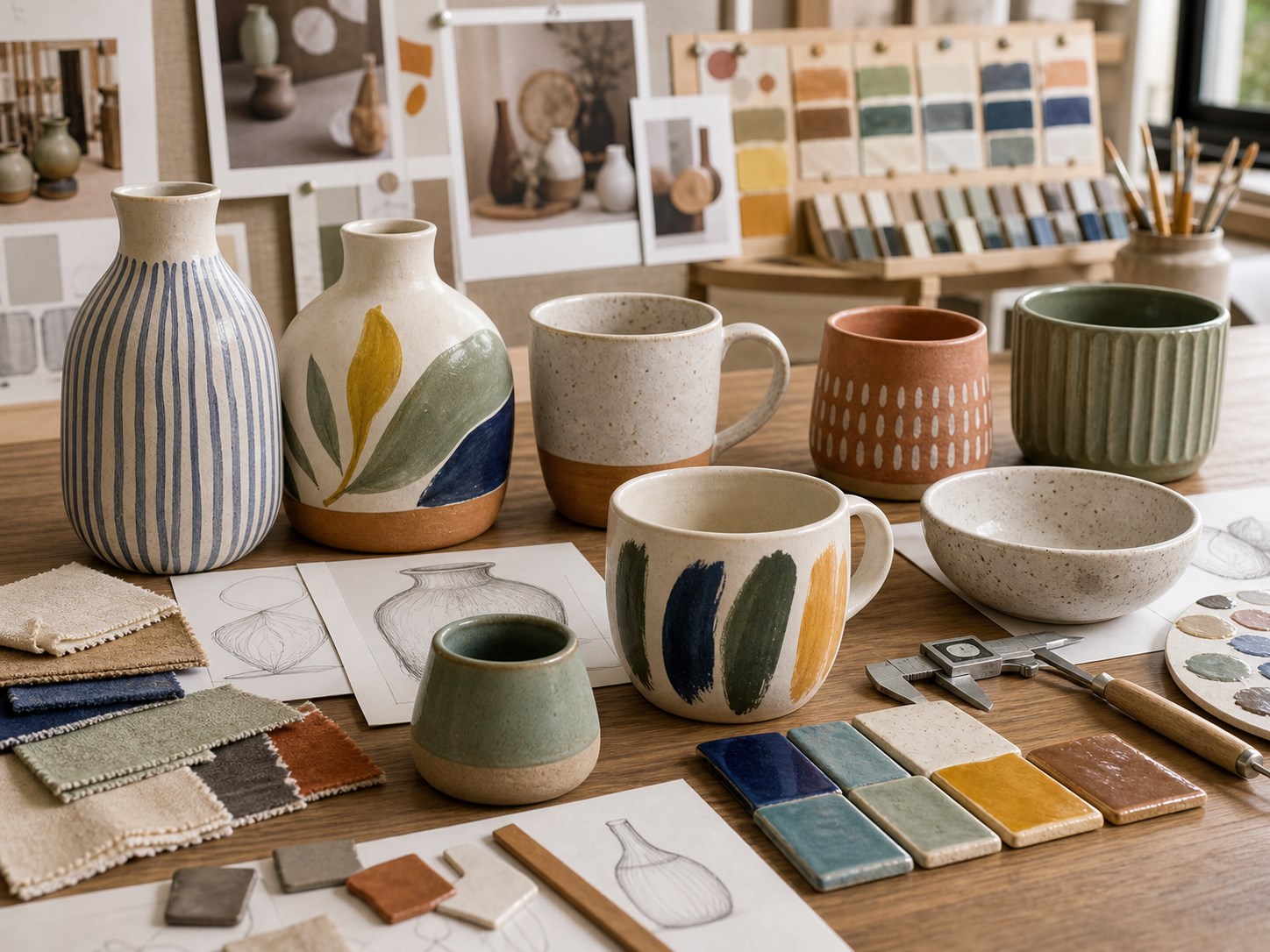
Ceramic Sampling Process for Buyers
See how ceramic OEM/ODM samples move from reference photo to mold, clay sample, glaze sample and approved production sample.